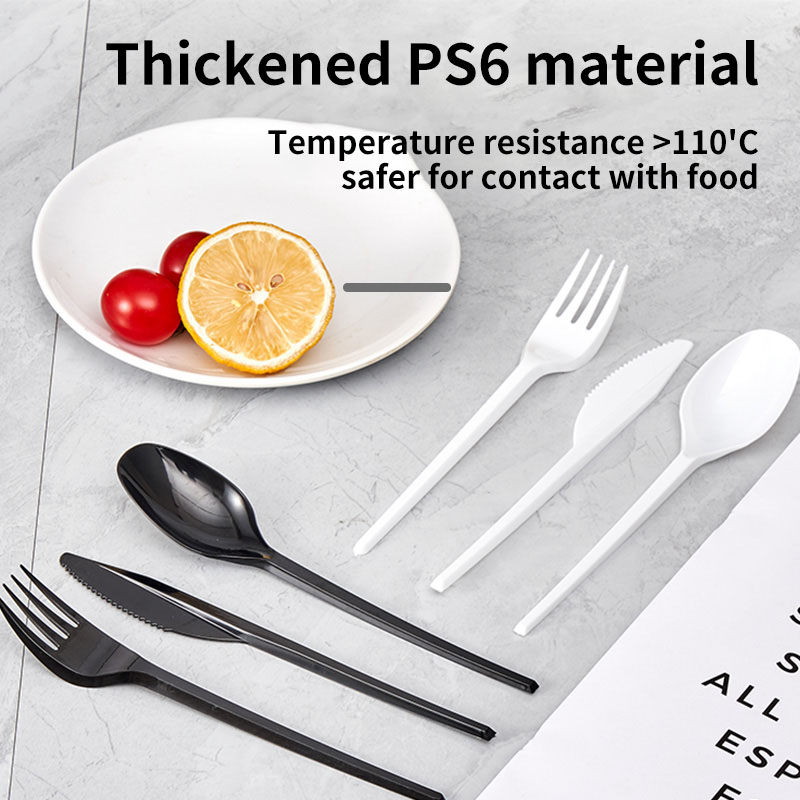
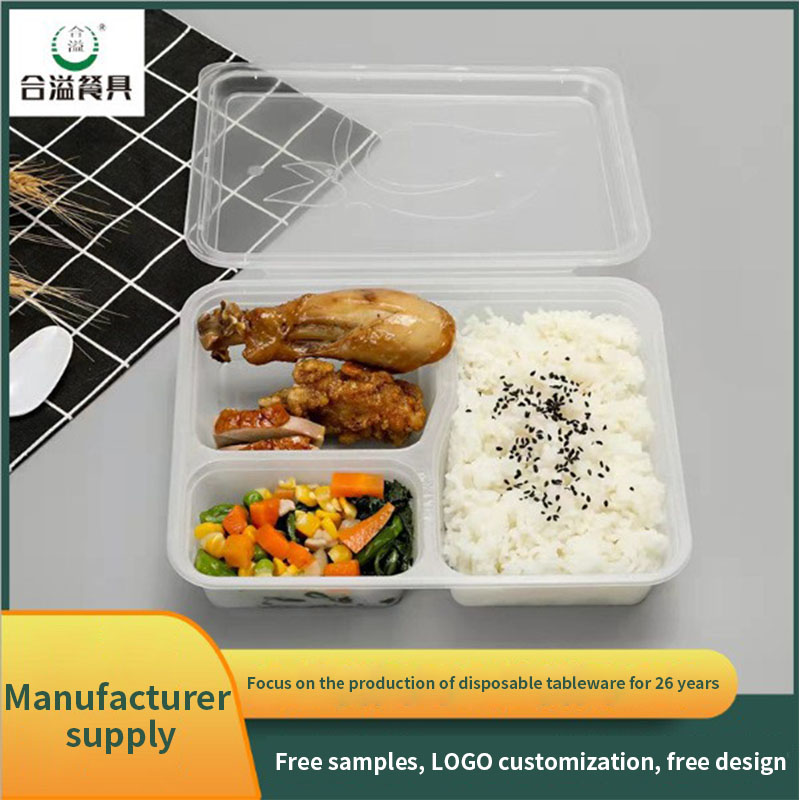
The disposable lunch box has evolved from a mere utilitarian vessel into a critical component of brand strategy within the catering and food service industries.
- +86-139028193710086-757-86712783
- 2765172459@qq.com
- Tangbai Road, Baigang, Lishui Town, Nanhai District, Foshan City, Guangdong Province, China

- Home
-
Our Services
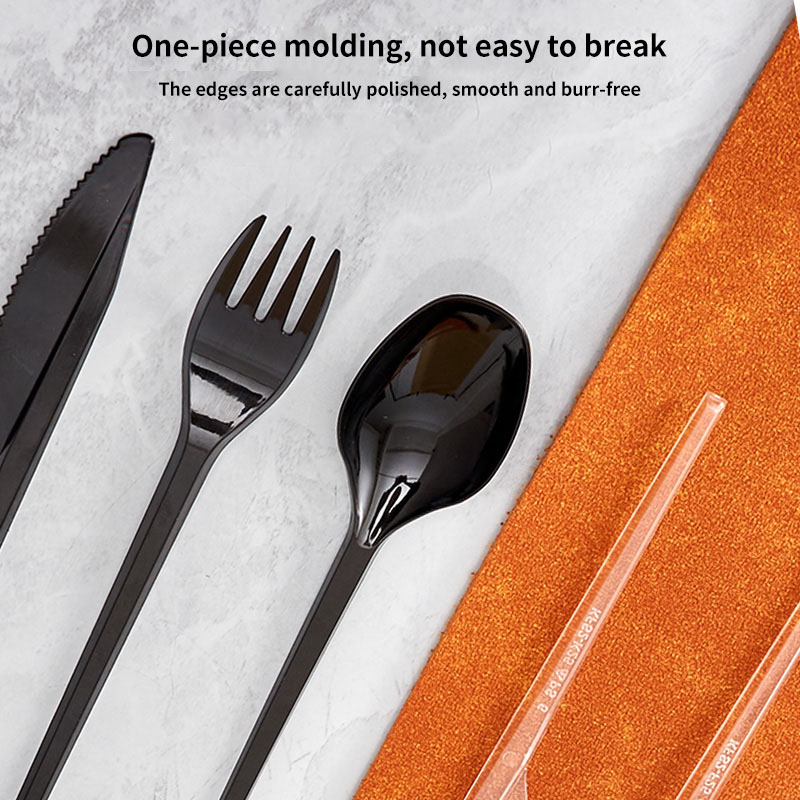
- Disposable Knife, Fork And Spoon
- Disposable Tableware Set
- Disposable Fruit Fork Tasting Fork
- Disposable Rice Spoon
- Disposable Ice Cream Scoop Tasting Spoon
- Disposable Milk Tea Cup
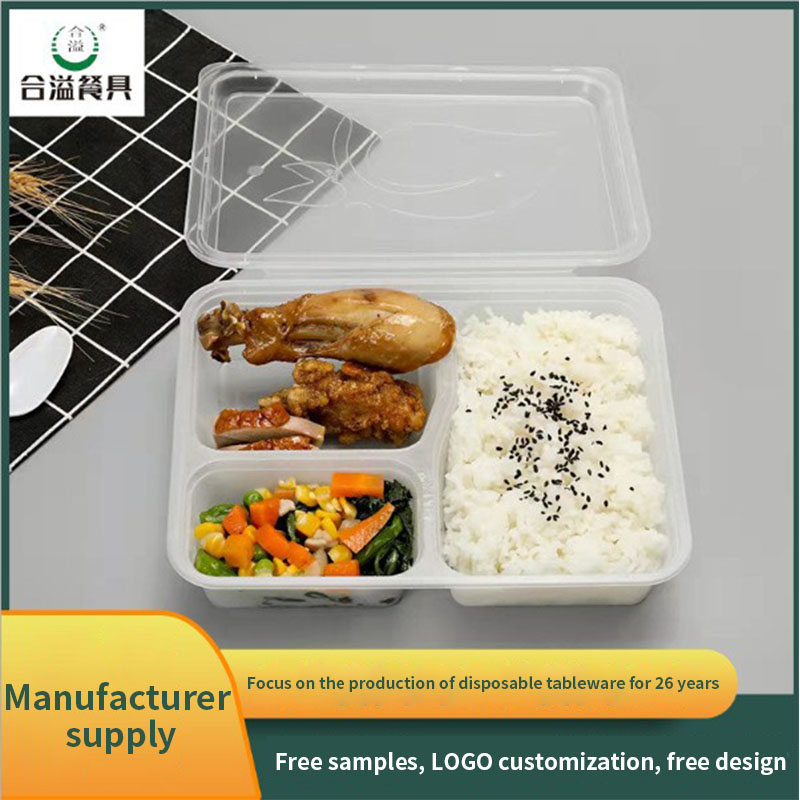
- Disposable Packaging Box-Square Lunch Box
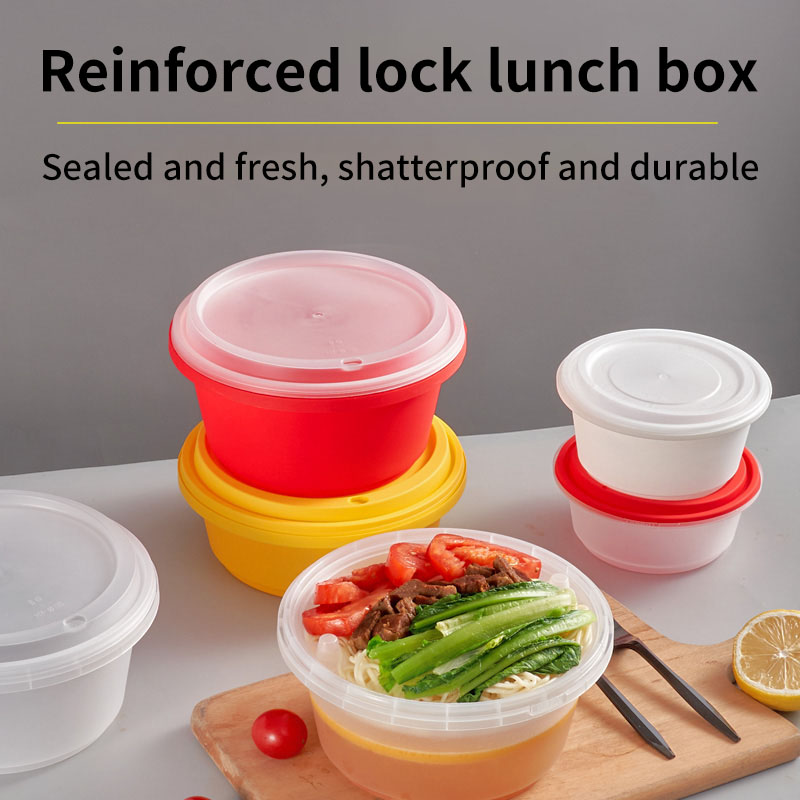
- Disposable Packaging Box-Lock Lunch Box
- Disposable Packaging Box-Round Lunch Box
- Disposable Packaging Box-Customized Logo Lunch Box
- Display
- Solutions
- News
- About
- Partners